

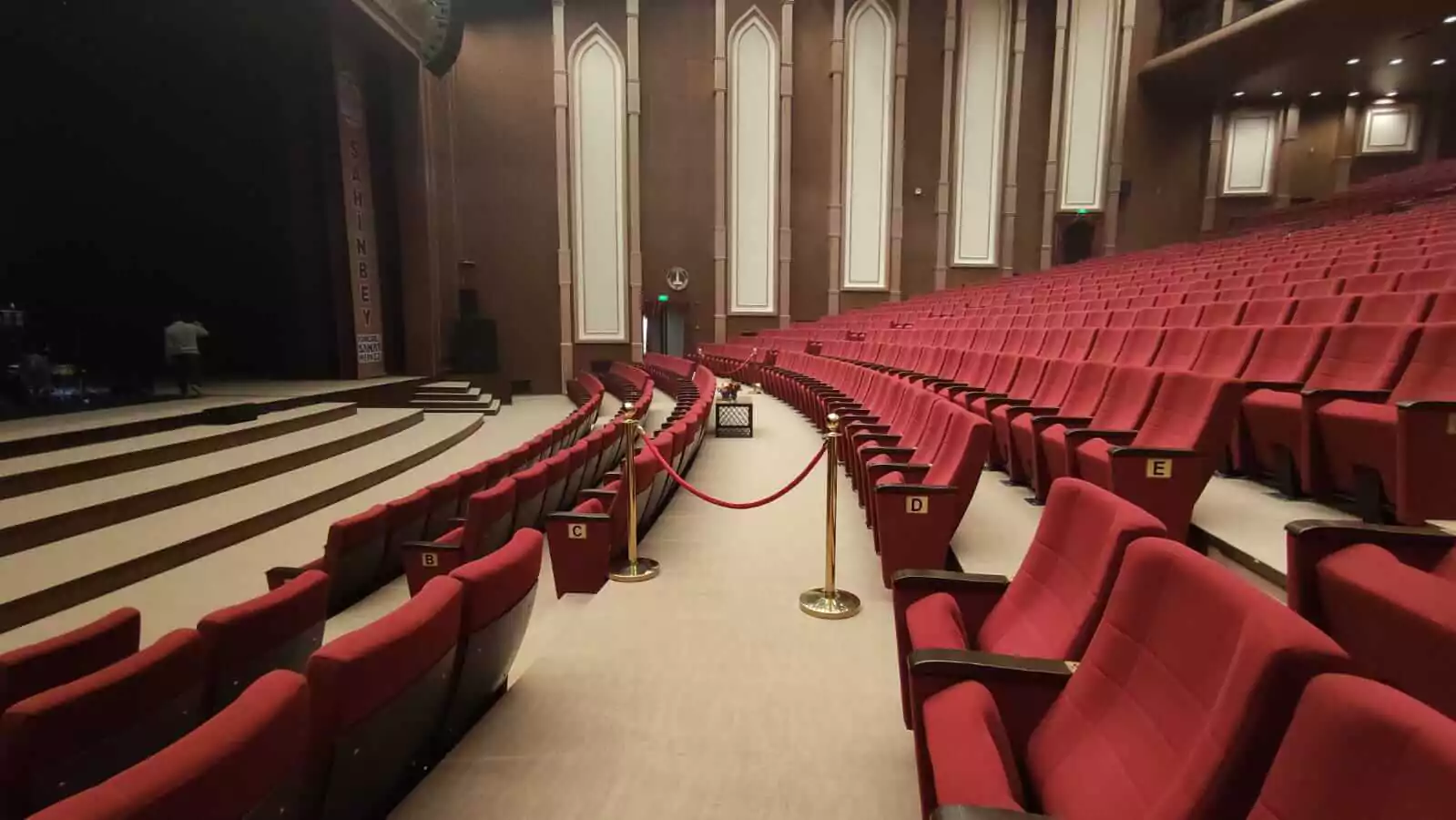
Theatre Seat Project Guide
Theatre Seats Crafted
Theatre seats are a central part of the audience experience. A performance hall may have a strong stage, carefully planned lighting, acoustic wall panels and refined interior design, but the audience spends the entire event seated. If the seats are uncomfortable, noisy, poorly aligned or visually outdated, the whole venue loses quality.
A professional theatre seat should support long performances, remain silent during movement, protect sightlines and match the architectural character of the hall. Theatre seating is different from ordinary furniture because it must work in fixed rows, serve many users over many years and support both comfort and atmosphere.
Theatre seat selection should not be based only on color, style or price. Seat width, row spacing, floor slope, stage view, upholstery, foam quality, armrest design, folding mechanism, numbering, cleaning access and installation method should all be evaluated together. The right theatre seat helps the audience focus on the stage without distraction.
Theatre Seats for Performance Halls
Performance halls need theatre seats that are comfortable, quiet and visually consistent. The audience may sit through drama, music, dance, opera, school performances or public ceremonies, so the seat must support different event types.
A good theatre seat should feel stable when occupied and silent when the seat pan moves. The backrest, cushion and armrest should support the body naturally without making the user feel restricted. Long-session comfort is especially important in halls where performances or ceremonies may last for several hours.
The seat should also match the room. A classic theatre may need richer upholstery and wood details. A modern hall may prefer cleaner lines and darker neutral tones. The product should become part of the stage environment, not a separate object.
Auditorium Theatre Seats
Auditorium theatre seats are suitable for halls that host performances, conferences, ceremonies and cultural events. These spaces need seating that balances elegance with functional versatility.
Auditorium seats may include fully upholstered surfaces, wooden armrests, plastic outer backs, folding seat pans, writing tablet options and numbering systems. The correct choice depends on the main purpose of the hall. A performance-focused venue may prioritize silent mechanisms and refined upholstery. A conference-focused auditorium may require writing tablets or easier maintenance.
A strong auditorium theatre seat should work across different events while keeping the room professional and comfortable.
Cultural Center Seats
Cultural centers often serve many purposes. They may host theatre plays, concerts, public talks, school programs, official ceremonies and community events. For this reason, the seats must be durable, comfortable and visually adaptable.
Cultural center seating should not be too casual, but it should also not be too fragile for public use. Upholstery durability, foam stability, armrest strength and easy cleaning are important. Public venues often face heavy use, so material quality directly affects long-term appearance.
Wood details can create warmth and prestige. Plastic outer backs can make cleaning easier in high-traffic spaces. Fully upholstered models can create a softer and more classic theatre atmosphere.
Municipal Theatre Seats
Municipal theatres need seats that combine comfort, durability and strong value. These halls are often used by local communities, schools, cultural groups, performers and public institutions. The seating must remain reliable under frequent use.
A municipal theatre seat should look professional without creating unnecessary maintenance pressure. Durable upholstery, quiet mechanisms and strong mounting are essential. A weak seat may reduce the initial cost, but it can create higher long-term expenses through repairs, fabric wear or replacement.
Well-selected theatre seats can make a municipal hall look more refined and help the venue serve the community for many years.
School Theatre Seats
School theatre seats are used in performance halls, assembly rooms, lecture stages and multipurpose educational spaces. These venues need seating that is safe, durable and easy to maintain.
Students, parents, staff and visitors may use the same hall for different activities. The seat should support ceremonies, plays, presentations and school events. If the hall is also used for seminars or lectures, writing tablet options may be considered.
For school theatre projects, strength and maintenance are especially important. Upholstery, armrests, mechanisms and mounting points should be suitable for frequent use.
Multipurpose Theatre Seats
Many modern halls are designed for more than one function. A venue may be used for theatre, concerts, conferences, ceremonies, training programs and public events. Multipurpose theatre seats should support this flexibility.
The seat should be comfortable enough for long performances, formal enough for conferences and durable enough for public use. If writing function is needed, anti-panic tablet systems or discreet writing tablet options can be planned.
The best multipurpose theatre seat does not force the room into one identity. It supports different events while keeping the hall visually coherent.
Wooden Detail Theatre Seats
Wooden details can give theatre seats a warmer and more prestigious character. Wooden armrests, wooden outer backs or side panels can connect the seating with the architecture of the hall.
Dark wood tones can create a classic and formal atmosphere. Lighter tones can support a modern and natural interior. The wood finish should match the flooring, stage, wall panels and lighting.
Wood should not be treated only as decoration. It must resist contact, cleaning and public use. Properly finished wooden details can improve both durability and perceived quality.
Fully Upholstered Theatre Seats
Fully upholstered theatre seats create a soft, elegant and complete hall appearance. They are often preferred in theatres, cultural centers, performance halls and premium auditoriums.
Upholstery affects comfort, acoustics and visual identity. Fabric texture, abrasion resistance, color stability and cleaning suitability should be reviewed before selection. A beautiful fabric that wears quickly can make the entire hall look old.
Fully upholstered models can also support a warmer acoustic atmosphere. In theatre projects, seating and acoustic planning should often be considered together.
Plastic Outer Back Seats
Plastic outer back theatre seats are useful in venues where maintenance and cleaning are important. The rear side of the seat is often exposed to contact from people moving between rows. A plastic outer back can protect this area and make cleaning easier.
This solution can be practical for schools, cultural centers, municipal theatres and high-use auditoriums. The user-facing side can remain upholstered for comfort, while the back side becomes more durable and easier to maintain.
A plastic outer back should still look refined. With good material quality and careful design, it can support a professional theatre environment.
VIP Theatre Seats
VIP theatre seats are used in protocol areas, special guest sections, executive rows and premium performance halls. These seats should provide more comfort and a more refined appearance than standard models.
VIP theatre seats may include wider dimensions, richer upholstery, stronger cushioning, wooden armrests and more detailed finishing. They should feel special, but they must also remain formal and suitable for the room.
Premium appearance must be supported by durability. A VIP seat that wears quickly, loses form or becomes unstable weakens the prestige of the hall.
Folding Seat Mechanism
Many theatre seats include a folding seat pan to improve row access. When the seat is not occupied, the seat pan rises and creates more open space between rows.
The folding mechanism must be silent and controlled. In a theatre, even a small noise can disturb a quiet performance. A mechanism that slams, creaks or becomes loose over time reduces the quality of the audience experience.
A reliable folding mechanism improves movement, cleaning and the professional feeling of the hall.
Silent Theatre Seating
Silence is one of the most important features of theatre seating. A seat that creaks, rattles or closes loudly can distract both the audience and performers.
Silent performance depends on the mechanism, frame quality, mounting accuracy and material contact points. Even a good seat can become noisy if it is installed incorrectly. Product quality and installation quality must work together.
A silent theatre seat helps the audience remain focused on the stage and protects the atmosphere of the performance.
Theatre Seat Comfort
Theatre performances may last for hours, so comfort must be planned carefully. The seat should support the body without becoming too soft or too rigid.
Seat depth, backrest angle, cushion form, armrest height and row spacing all affect comfort. A seat that is too deep can make the user sit awkwardly. A seat that is too hard can become tiring. A seat that is too soft may lose support.
The best theatre seat provides balanced comfort. It helps the audience forget the seat and focus on the performance.
Foam Quality
Foam quality determines long-term comfort and appearance. Weak foam may feel acceptable at first, but it can collapse, lose shape and reduce support after repeated use.
A good foam structure should keep its form while supporting long-session comfort. Seat foam and back foam should work together. This is especially important in public halls where many users sit in the same seats over many years.
Foam quality also affects the visual order of the hall. Collapsed cushions make even a well-designed room look neglected.
Upholstery Selection
Upholstery is one of the strongest visual elements in a theatre hall. It affects atmosphere, comfort, acoustics and maintenance.
Burgundy, deep red, navy, black, anthracite, dark green and brown tones are often suitable for theatre environments. Modern halls may prefer more neutral palettes, while classic theatres may use richer and warmer colors.
The upholstery should resist wear, maintain color and remain suitable for cleaning. A theatre seat should look good not only at installation, but after years of performances.
Armrest Design
Armrests define personal space and improve comfort during long events. A good theatre armrest should feel stable, natural and suitable for the hall design.
Wooden armrests create warmth and prestige. Plastic armrests can support easy maintenance. Upholstered armrests can provide a softer feeling. The correct choice depends on venue type, interior concept and maintenance expectations.
Armrest alignment is also important. In large halls, uneven or weak armrests can make the seating appear poorly finished.
Seat Numbering
Seat numbering supports ticketing and visitor flow in theatres, auditoriums and cultural centers. Clear numbering helps guests find their seats quickly and reduces confusion before the event.
Numbers may be placed on armrests, seat fronts, backrests or row panels depending on the model. They should be durable, visible and easy to read.
Row letters and wayfinding signs should work together with the numbering system. A complete system makes the hall easier to manage.
Row Spacing and Capacity
Row spacing affects comfort, movement and capacity. Too narrow spacing makes it difficult for users to enter and leave. Too wide spacing can reduce capacity unnecessarily.
Seat width, folding movement, aisle positions, emergency routes and floor slope should be evaluated together. The aim should not only be to install the maximum number of seats. The audience should sit comfortably, move safely and see the stage clearly.
A successful theatre layout balances capacity with real audience comfort.
Sightlines and Stage View
Every theatre seat should provide a clear view of the stage. Poor sightlines force the audience to lean, turn or stretch, which reduces comfort and attention.
Floor slope, row height, backrest height, stage level and side angles should be coordinated. In renovation projects, existing floor conditions may limit options, so measurements should be checked carefully.
Good sightlines increase the value of every row, not only the central seats.
Acoustic Relationship
Theatre seats are part of the acoustic environment. Upholstery, foam, seat density, flooring, wall panels and audience presence all affect how sound behaves in the hall.
Fully upholstered seats can create a softer acoustic effect. Wooden details, floor materials and wall systems may influence the sound character differently. The goal is to support clear speech, natural music and balanced performance sound.
A theatre hall should not only look refined. It should also sound clear and natural.
Cleaning and Maintenance
Theatre seats should be easy to clean and maintain. Public halls receive many visitors, and the seating must remain visually suitable after repeated use.
Durable upholstery reduces wear. Plastic outer backs can protect high-contact surfaces. Reliable mechanisms reduce repair needs. Accessible components make maintenance easier.
Maintenance-friendly theatre seating helps the venue keep its professional appearance for longer.
Theatre Renovation Projects
Replacing old theatre seats can transform a hall quickly. Worn upholstery, noisy mechanisms, weak foam, loose armrests or outdated colors can make a venue feel neglected.
Before renovation, existing row spacing, floor slope, mounting points, capacity and sightlines should be reviewed. The new seats should fit the current structure without unnecessary construction work.
A renovation can also include new colors, numbering, VIP section upgrades, acoustic improvements or a more modern seating layout.
New Theatre Projects
New theatre projects allow seating to be planned from the beginning. This creates better coordination between architecture, stage, lighting, acoustics, floor slope and circulation.
If seat selection is delayed, the hall structure may not match the preferred model. Early planning helps protect capacity, comfort and budget. It also allows upholstery, wooden details, numbering and sightlines to be designed properly.
Theatre seats should be treated as a core part of the audience experience, not as a final furniture choice.
European Theatre Projects
European theatre projects often require clean design, long-term durability, practical delivery and consistent manufacturing quality. Cultural centers, municipal halls, school theatres and performance venues need seating that remains professional after years of use.
Project coordination is especially important for renovation schedules, phased installations and custom upholstery choices. Seating should match hall type, usage intensity, maintenance expectations and design character.
For European and international projects, Monseat offers professional theatre seat solutions with a focus on durable production, project flexibility and strong value in relation to quality.
International Theatre Projects
Theatre seating needs can vary by region. European venues may prioritize clean design, technical clarity and durable materials. Gulf projects may prefer premium finishes, VIP areas and rich upholstery. Middle East and Africa projects may require durability, maintenance practicality and strong price-performance value.
A successful theatre seat solution should match the venue type, audience expectation, maintenance routine and long-term project goals. The same product strategy is not always suitable for every hall.
Manufacturer-Based Supply
Manufacturer-based theatre seat supply gives project teams better control over details. Seat dimensions, upholstery, colors, foam structure, armrests, wooden details, mechanisms, numbering and mounting options can be evaluated according to the project.
This is especially important when many seats must match in comfort, color, function and finish. Controlled production supports consistency and reduces project risk.
A professional manufacturer can help create different solutions for performance halls, auditoriums, cultural centers and VIP sections.
Quality and Price Balance
Theatre seats should not be selected only by the lowest price. A weak seat can create higher long-term costs through upholstery wear, foam collapse, mechanism noise, loose armrests, repairs or early replacement.
The correct approach is to evaluate comfort, durability, maintenance, layout suitability and price together. A good theatre seat supports the audience, protects the hall’s appearance and remains reliable under repeated use.
A strong quality-price balance is especially important in projects where hundreds of seats are required.
Theatre Seat Categories
Professional theatre seat projects may include standard theatre seats, auditorium theatre seats, cultural center seats, municipal hall seats, school theatre seats, wooden detail seats, fully upholstered seats, plastic outer back seats, VIP theatre seats, folding seat models and numbered seating systems.
Each category serves a different function. The right selection depends on hall type, stage use, comfort target, maintenance routine, design level, budget and long-term project value.
Conclusion
Theatre seats are essential to audience comfort, stage focus and the professional identity of a performance venue. The right seat supports silence, sightlines, acoustic balance, visual harmony and long-term maintenance.
A successful theatre seating project requires ergonomic comfort, stable foam, durable upholstery, silent mechanisms, correct row planning, clear sightlines, practical cleaning and a strong balance between quality and price. When theatre seats are selected according to the real conditions of the hall, the result is a more comfortable, more refined and more professional stage environment.
For professional theatre seat solutions, visit the official website.
Created By : Monseat